

The Benefits of Sub-irrigation
Views: 10,976Share This:


 One of the most basic needs of any plants is water. However, water does not come naturally to indoor plants. As an interiorscaper, you must solve this problem for your clients. Typically, this means sending a technician on a regular schedule to inspect the plants and water them as needed. Sub-irrigation is another option. It usually won’t cut out the middle man, but it will make their job easier, allowing time for other aspects of plant maintenance.
How Sub-irrigation Works
Sub-irrigation does exactly what the name implies. The plant sits over water and soaks it up over time through its growing medium. Any drain holes in a container are plugged, and there is a shaft down the side of the container that allows water to be added directly to the bottom of the container. There is typically another layer between the soil and the platform, separating the water to slow the uptake of water into the soil. Sub-irrigation usually also includes a water level indicator so it is clear when more water is needed.
Why Choose Sub-Irrigation
If sub-irrigation doesn’t cut out the middle man, what does it do? Some of the benefits include less stress on the plants, as well as seasonal plants maintaining their blooms longer. Because the root ball of the plant stays at a constant moisture level, it is not stressed with drying out or getting too soggy. Overwatering, which is a common problem for indoor plants, can be avoided. Soil is not moved or lost as water is added as well. There is also less opportunity for mess, especially for plants in hard-to-reach places. The water is poured directly into an area where there is space for it and not into the soil, where it must soak in or overflow.
Many sub-irrigation systems will keep plants watered for up to 12 weeks. So why do you still need the middle man? The sub-irrigation still needs to be monitored. Water levels must be checked, and the soil must be checked as well to make sure your plant isn’t staying too dry or too wet. A technician may need to make adjustments if this is happening. A quick check, however, rather than toting water to all of the necessary places, will free up a technician’s time for other plant maintenance. For example, dusting and inspection for pests. Overall, with a healthy water level, increased care, and early detection for pests and diseases, the sub-irrigation system should save you and your business time and replacement costs.
Try It Out
If you are considering sub-irrigation, check NewPro Containers’ self-watering planters and give a few a try to see what you like.
Have you tried any sub-irrigation systems? What have you liked about them? What didn’t work? What plants have worked well with sub-irrigation? Have you found any plants that don’t respond well to sub-irrigation? If you have not tried these systems, what are your hesitations?
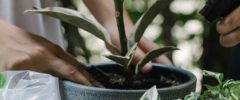
Photo Regadora by Xavi Talleda
Views: 10,976Share:


Melanie is a plant enthusiast and expert contributor at Bromeliads.info and OrchidPlantCare.info. Melanie's experience in internet marketing, business management, and horticulture allows her to bring a unique perspective to the community. Melanie received a Bachelor's degree in Organizational Leadership from Purdue University and is the Marketing Director at NewPro Containers.

You May Also Like


Leave a Reply
You must be logged in to post a comment.

