


Biophilic Design in Commercial Spaces: The Impact of Plants Across Industries
Views: 20,310Share This:


In today’s fast-paced urban environment, the need for green spaces has become more important than ever. Biophilic design, an approach that incorporates nature into built environments, offers a solution. By integrating natural elements into commercial spaces, businesses can improve mental and physical well-being, increase productivity, and create more sustainable environments. A key aspect of this design approach is the use of plants and plant containers, which enable the strategic placement of greenery throughout commercial spaces. This article explores several case studies that highlight the benefits of biophilic design across a variety of industries.
OFFICE SPACES
The Spheres at Amazon Headquarters, Seattle
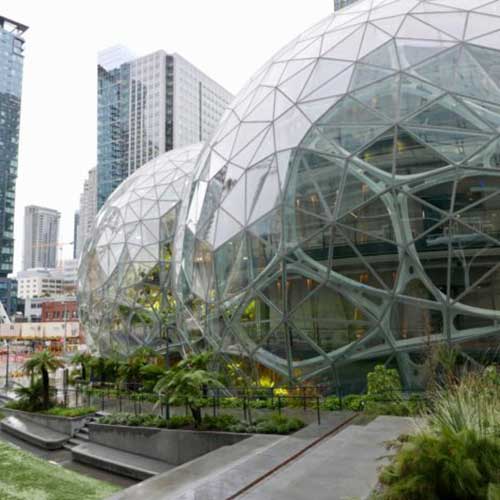
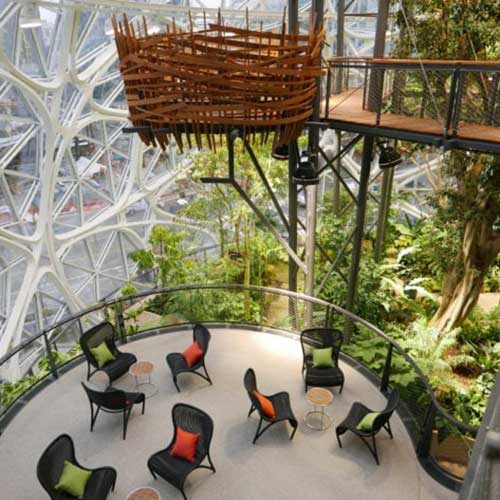
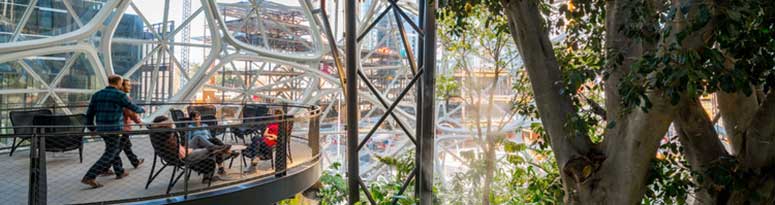
One of the most iconic examples of biophilic design in commercial spaces is The Spheres at Amazon’s headquarters in Seattle. This unique space features three glass-domed structures filled with over 40,000 plants from more than 50 countries. The Spheres serve as a relaxing green sanctuary for Amazon employees and visitors alike, offering a respite from the bustling urban Seattle environment. A variety of plant containers contribute to the space’s versatility and aesthetics, creating an immersive and multi-layered experience. A study by researchers at the University of Exeter found that enriching office environments with plants increased productivity by 15%, emphasizing the importance of biophilic design in the workplace.
HOSPITALITY
HOTELS: 1 Hotel Central Park, New York
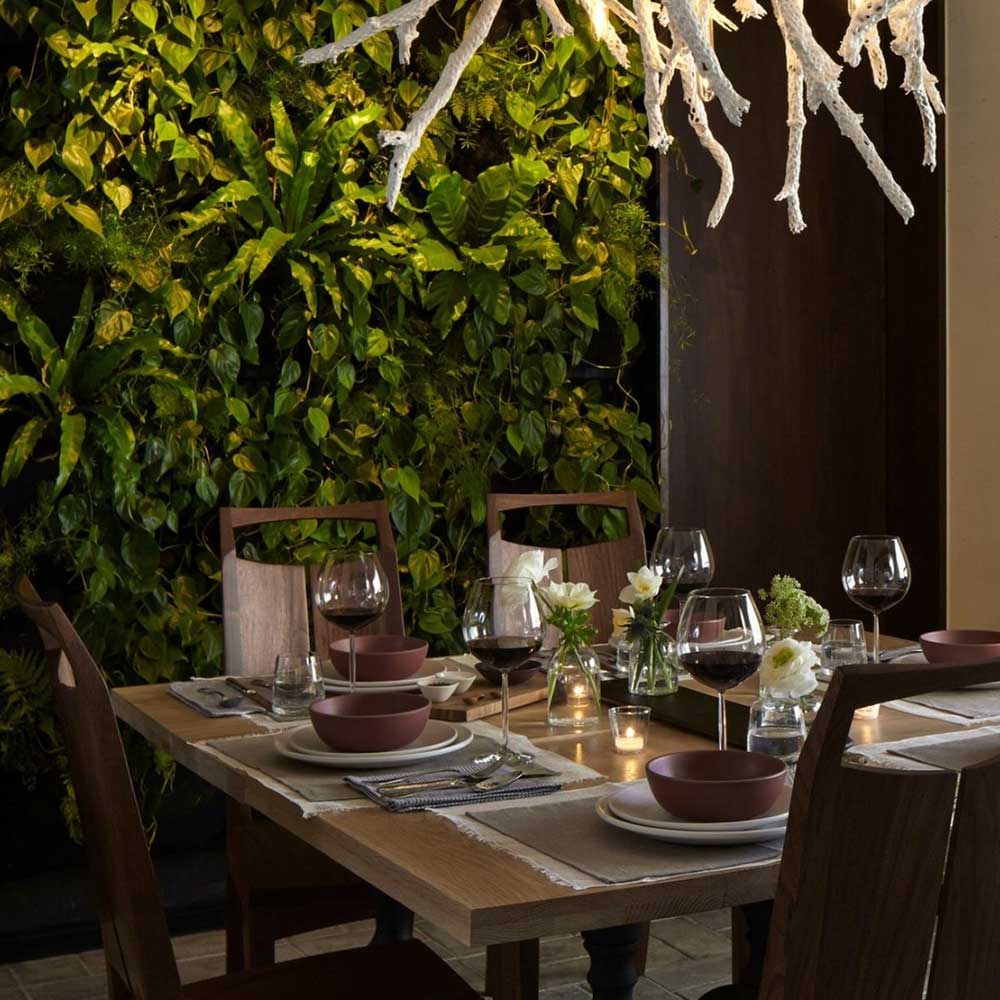
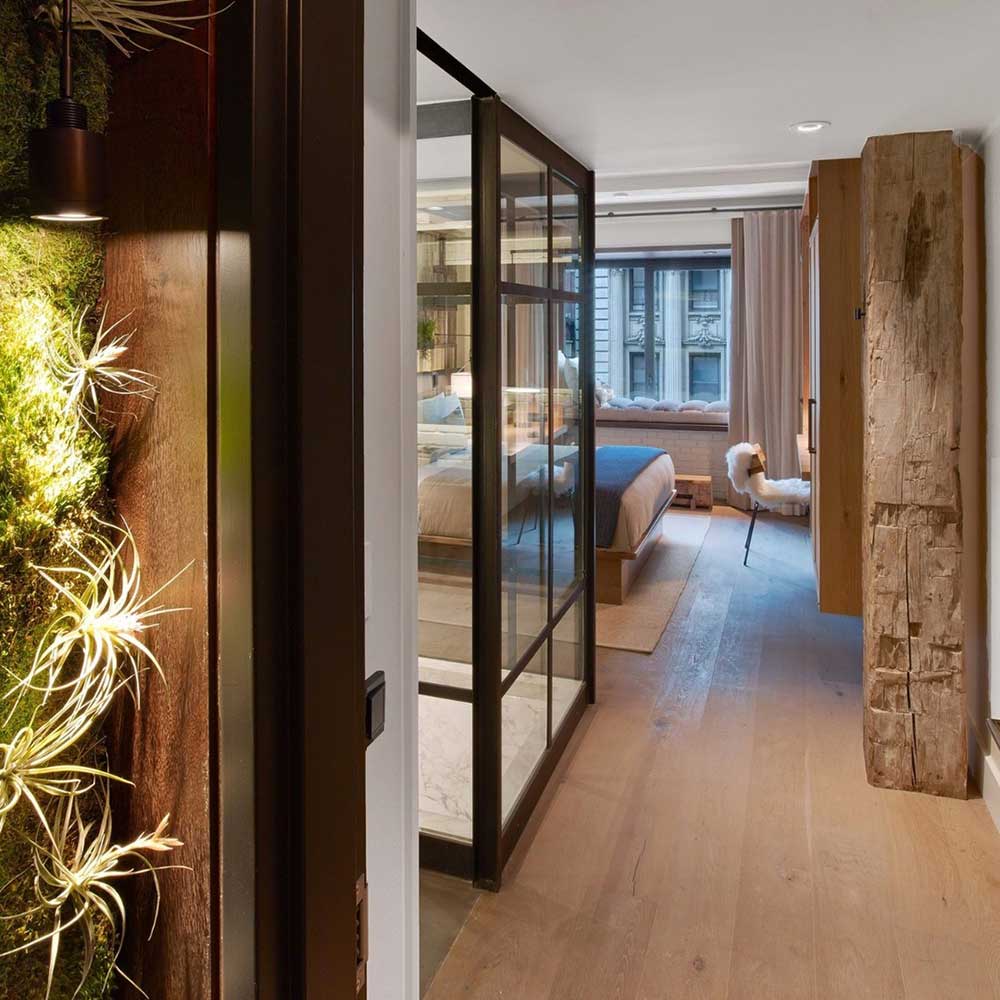
1 Hotel Central Park, a luxury hotel in New York City, demonstrates the power of biophilic design in the hospitality industry. The hotel features a living green wall in the lobby, where planters filled with native flora create an inviting and calming atmosphere. Additionally, guest rooms incorporate plants that help foster a sense of tranquility and connection to nature. These thoughtful touches have led to rave reviews from guests, who often cite the hotel’s green spaces as a key differentiator. According to research from Terrapin Bright Green, 36% of guests were observed spending time in hotel lobbies with biophilic design elements, compared to 25% of guests in conventional hotel lobbies, highlighting the positive impact of nature-inspired spaces on the guest experience.
Restaurants: Väkst, Copenhagen
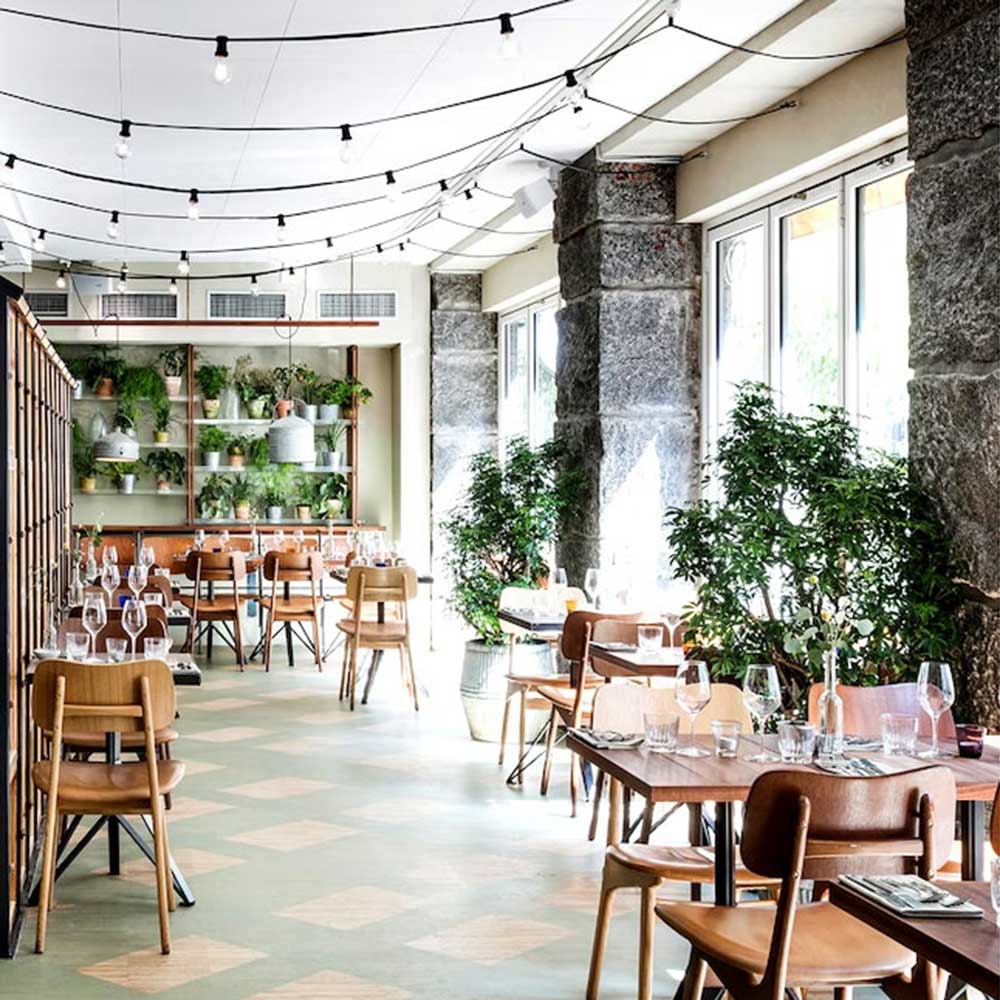
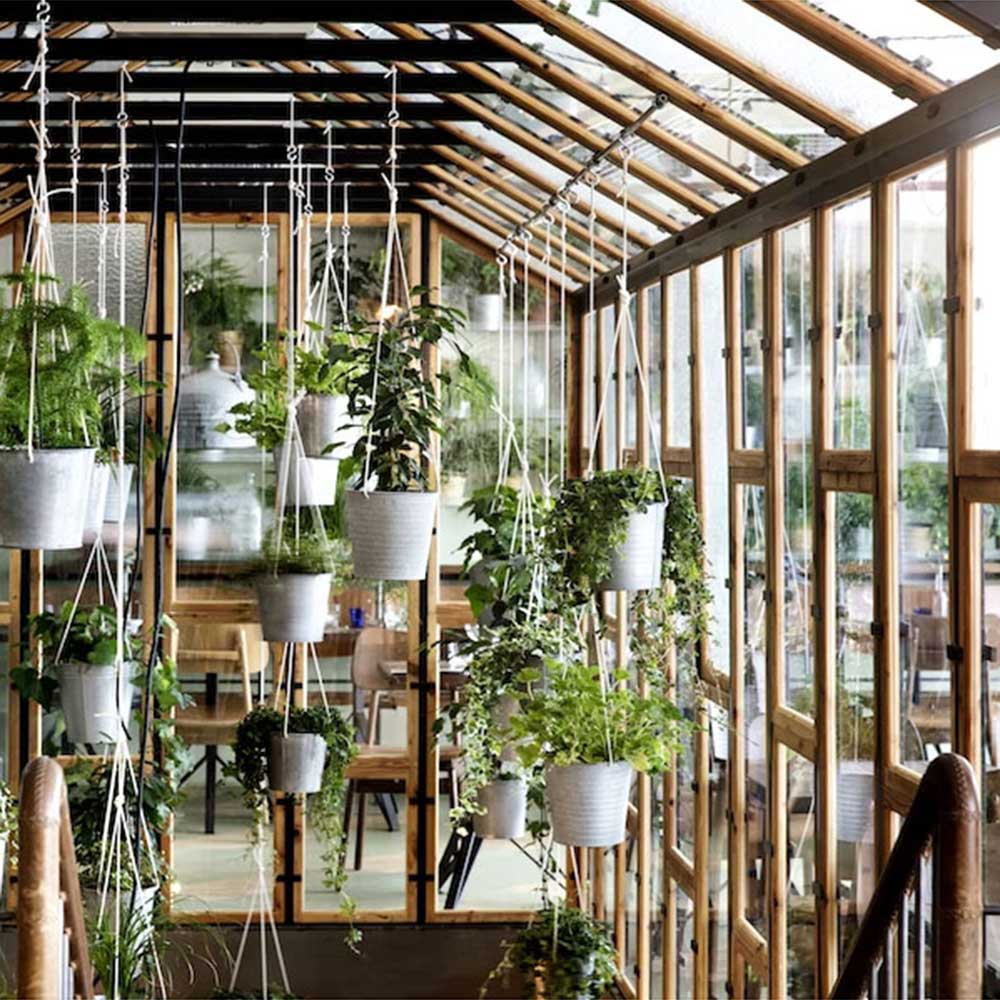
The Nordic restaurant Väkst, located in Copenhagen, offers a unique dining experience by incorporating biophilic design elements. A greenhouse serves as the centerpiece of the restaurant, housing a vertical garden with plants that climb its walls. This lush environment, combined with a menu featuring locally sourced ingredients, provides diners with a multisensory experience that connects them with nature. Research suggests that nature-inspired dining environments can enhance customer satisfaction and encourage repeat visits, making biophilic design a valuable consideration for restaurants looking to strengthen customer loyalty.
RETAIL
Apple Store, Regent Street, London
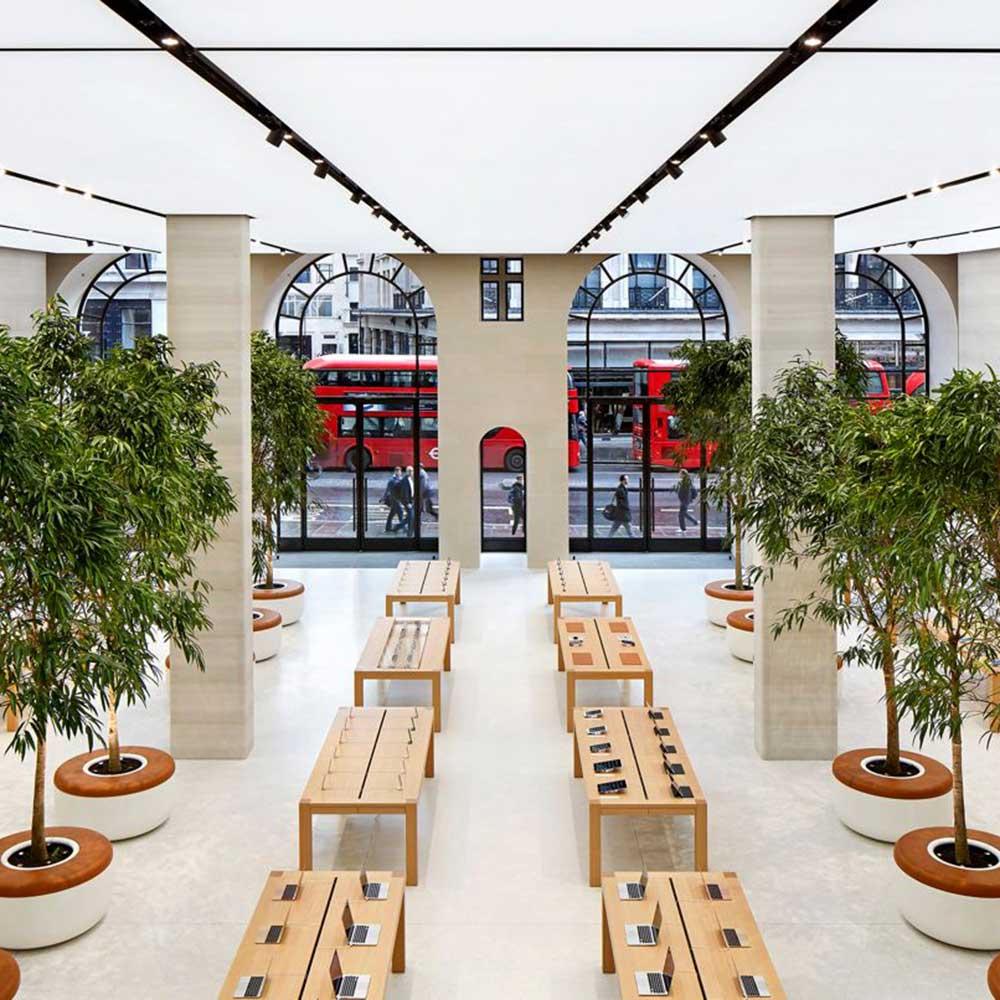
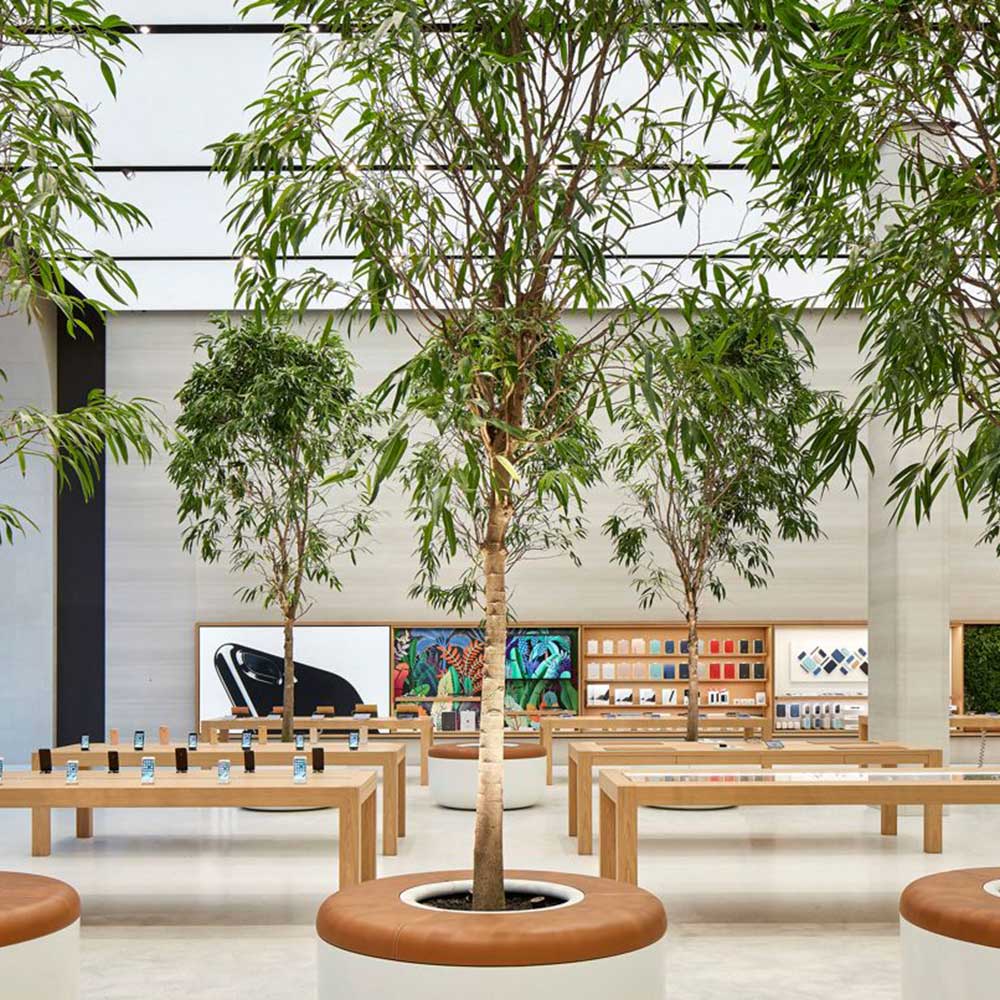
A compelling example of biophilic design in the retail sector is the Apple Store on Regent Street, London. Designed by Foster + Partners, the store is a prime example of how biophilic design can enhance the shopping experience. The interior features twelve Ficus Nitida trees, housed in large custom-designed plant containers, creating a calming, park-like atmosphere. In addition to the trees, the store incorporates natural materials such as limestone and wood, large skylights that maximize natural light, and a spacious layout that encourages movement and interaction. Together, these elements help create a more inviting shopping environment.
Research highlighted in The Economics of Biophilia found that shoppers may be willing to pay up to 15% more for products in greener retail environments. This demonstrates how greenery and natural elements can benefit retail spaces, not only by enhancing the customer experience but also by supporting the business’s bottom line.
HEALTHCARE
Khoo Teck Puat Hospital, Singapore
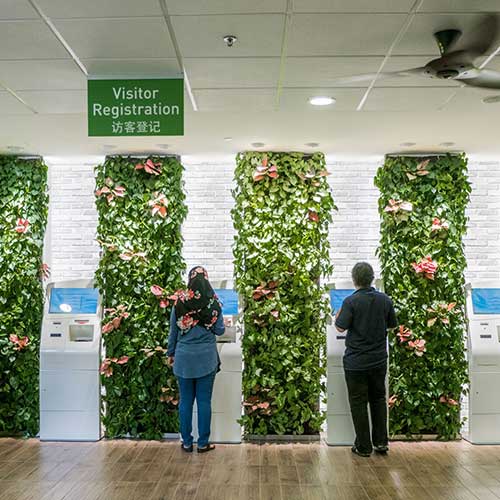
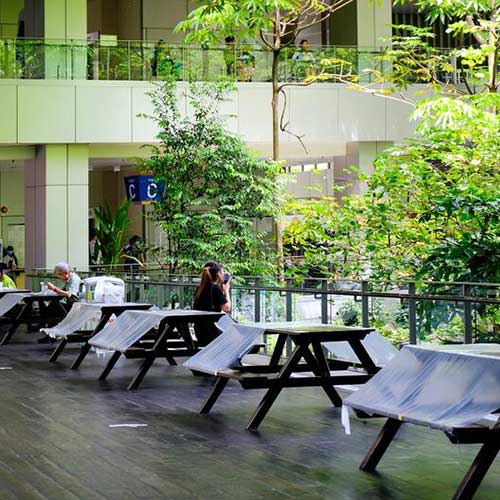
In the healthcare sector, biophilic design has been shown to reduce stress and support healing. Khoo Teck Puat Hospital in Singapore is an excellent example of this concept in action. The hospital’s central courtyard is filled with plants, creating a lush, green space for patients, visitors, and staff to enjoy. This design choice not only improves the hospital’s aesthetics but also enhances the well-being of those within its walls. Research has shown that patients exposed to natural elements experience 8.5% shorter recovery times and require 22% less pain medication, showcasing the role biophilic design can play in supporting patient recovery and well-being.
These case studies demonstrate the transformative power of biophilic design across a variety of industries, supported by both real-world examples and compelling research. From improving workplace productivity and enhancing customer experiences to supporting healing and well-being, the benefits of incorporating nature into commercial spaces are far-reaching. Plant containers play a crucial role in implementing these design principles, enabling businesses to introduce greenery in ways that are both functional and visually appealing. By embracing biophilic design, commercial spaces can foster stronger connections to nature while creating environments that benefit employees, customers, patients, and visitors alike.
Views: 20,310Share:


Melanie is a plant enthusiast and expert contributor at Bromeliads.info and OrchidPlantCare.info. Melanie's experience in internet marketing, business management, and horticulture allows her to bring a unique perspective to the community. Melanie received a Bachelor's degree in Organizational Leadership from Purdue University and is the Marketing Director at NewPro Containers.

You May Also Like



Leave a Reply
You must be logged in to post a comment.

