


Interiorscaping Tips for Healthier, Longer-Lasting Plants

Views: 8,346Share This:


In the interiorscape business, keeping foliage healthy and looking its best helps keep clients satisfied and protects our profit margin. As an industry veteran, I’ve picked up a few simple but effective techniques that can make a real difference in a plant’s overall health and appearance. Here are my top interiorscaping tips and tricks for extending plant life and reducing unnecessary plant replacements.
Mimic Nature to Help Plants Thrive
As interiorscapers, we all know that replicating nature is key to keeping plants healthy, but the right indoor adjustments can make all the difference. Outdoors, plants benefit from natural airflow, rainfall, and humidity, but indoors, we have to be more intentional about providing those conditions. I focus on maintaining good air circulation by giving plants enough space to breathe. This can help reduce problems with mold and mildew while encouraging stronger growth. And since indoor air is often much drier than outdoor air, I try to group humidity-loving plants near water features or in naturally humid areas when possible.
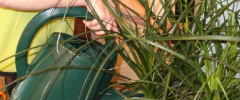
When watering, rather than pouring into the same spot every time, I work my way around the soil surface to help distribute moisture more evenly and avoid dry pockets or overly saturated areas. Indoor plants also miss out on the natural nutrient cycle they would experience outdoors, so occasional fertilization helps replenish essential nutrients. I like to use slow-release products to provide steady nutrition.
Even with proper care, some plants may still need a little extra help. A former interiorscape owner once taught me how to help foliage open up when it’s struggling. White bird of paradise plants, for example, sometimes need assistance unfurling their young leaves. Outdoors, wind and changing conditions naturally help leaves open, but indoors that process can stall. If I notice a new leaf has shot up but still hasn’t opened after a few weeks, I run my nail gently along the seam from top to bottom until the leaf begins to separate from the center and can open wider. In my experience, leaving a new leaf tightly closed for too long can cause problems as it develops. Marginatas can have similar issues, especially in lower-light conditions.
Keep Growth Balanced With Regular Rotation
On days when I’m tired, the last thing I want to do is rotate a heavy pot. However, if a plant has a strong light source on one side and never gets turned, it will eventually grow unevenly and start leaning toward the light. When I notice leaves stretching awkwardly in one direction, I spin the container to give the other side a chance to catch up. For most plants, rotating every other month is usually enough. The only time I don’t bother is when plants are in corners, against walls, or planted directly in the ground.
For large planters that are too heavy to rotate alone, adjusting the lighting can be a better option. Repositioning nearby light sources or using reflective surfaces can help encourage more even growth without having to move the container. If time is tight, I prioritize fast-growing plants like ficus, schefflera, and pothos, which can become lopsided pretty quickly.
Stay Ahead of Pests and Plant Stress
We often see the same plants week after week, and noticing changes early is one of the best ways to stay ahead of problems. Be on the lookout for leaves or fronds shifting from a healthy green to a lighter, washed-out color. Spotty or mottled discoloration can be a sign of spider mites, especially if you also notice fine webbing or damage on the undersides of leaves. If the entire leaf looks pale or faded, I start looking at other possible causes, including excessive light or a nutrient issue.
I also pay close attention to new growth. If it develops slowly or the leaves are much smaller than normal, I check the plant carefully for mealybugs hiding deep in the foliage or where the leaves meet the stems. These insects feed on plant sap and can stunt growth if an infestation gets out of hand. And once they spread, they can quickly become your worst nightmare.
Regularly cleaning foliage can reduce dust buildup and make it easier to spot early signs of pest activity, especially on plants like palms that tend to attract spider mites. I sometimes mist or rinse the leaves with distilled water to help remove dust and any unwanted visitors. If insecticidal soap is needed, I use it according to the label and make sure it comes into direct contact with the insects.
Maintain Consistency for Healthier Foliage
Just like we thrive with a good routine, plants benefit from consistency. Sticking to a regular service schedule helps keep foliage healthier and more resilient. Even being off by a day or two can make a noticeable difference with delicate, high-value plants, and losing something like a Ming aralia or rhapis palm could mean $300 down the drain. Some clients may not realize how much minor schedule changes can affect sensitive plants, so explaining the impact of inconsistent watering can help reinforce the importance of timely service.
Keeping the same technician on an account can make a big difference, too. Every tech has their own approach, and even the best need time to learn the specific dynamics of each space. If a technician change is unavoidable, a transition period can help prevent mistakes and keep plant health steady.
Protect Plant Health and Your Bottom Line
Minimizing plant replacements isn’t just about saving money. It’s about delivering consistent quality, keeping clients satisfied, and protecting your reputation. By applying these interiorscaping tips and making small, strategic adjustments, you can help plants perform better over time while reducing unnecessary maintenance costs.
Views: 8,346Share:


Sherry has been part of the interiorscape industry for over fifteen years, starting at an entry level job at North Florida's largest greenhouse and currently owning two horticulture companies. At UMaine, Sherry majored in English where she worked part-time writing scripts for a local college TV studio.

You May Also Like


Leave a Reply
You must be logged in to post a comment.

