


Managing Plant Replacements in Interiorscape Accounts

Views: 9,322Share This:


“Why are you replacing that? It’s green and still has a leaf on it.”
Have you ever been asked this? Years ago, it wasn’t uncommon for clients to grow attached to their overgrown, spindly “corner file cabinet” plants, but with time and a little education, they’ve come to better understand the importance of regular plant replacements.
Plant replacements are a natural part of maintaining interiorscape accounts; however, managing them effectively involves more than simply removing a declining plant. Taking a proactive approach by anticipating replacement rates, training plant care specialists, and addressing problems early can help maintain plant quality while providing clients with the level of service they expect.
Anticipating Plant Replacement Rates
Most of us bid on or manage accounts with some type of plant replacement guarantee in place. That means considering how much of the plant inventory you can expect to replace over time. Replacement rates can vary based on several factors, including:
- Plant location
- Light levels
- Plant varieties
- Training and experience of the plant care specialist
Of these factors, light levels can have one of the biggest impacts on replacement rates. In my experience, accounts with low light levels may require replacing 50–60% of the inventory within two years or less. I estimate replacement rates of 30–40% for medium-light locations, while high-light locations may require replacing only 10–20% over the same period. Considering these factors from the beginning can help set realistic replacement expectations and make accounts easier to manage over time.
Recognizing and Addressing Problems Early
How do you help plant care specialists recognize when a plant isn’t meeting your quality standards, especially when they’re new to the job?
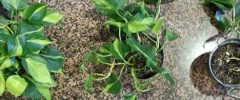
Pictures! I take plenty of pictures of “tired” plants, sometimes side-by-side with fresh replacements or healthy plants that have been thriving in the same location. I also document plants in various stages of decline. These images are used in training sessions to show what’s acceptable and what isn’t.
In addition to training, we track every replacement on a shared Google Drive sheet, along with key information about each plant. This helps us monitor plant replacement rates by account and fine-tune our training efforts. I encourage plant care specialists to notify us as soon as they spot a potential problem. Early intervention gives us an opportunity to relocate or treat the plant and potentially spare it from a slow, unsightly death.
When a replacement is necessary, we typically handle it within 8 to 24 hours. Being local, responsive, and detail-oriented has paid off immensely. We’ve heard horror stories of clients waiting up to two weeks for a replacement, or worse, watching an entire inventory of 30+ plants deteriorate with no resolution from their plant service company. That kind of customer service gives our entire industry a black eye.
Understanding Plant Stress After Installation
Whether you’re managing a maintenance account or leasing the entire plant inventory, the same quality standards should apply. Even with those standards in place, some plants may begin to decline soon after installation despite proper care.
I explain to clients that plants go from ideal greenhouse conditions to a loading dock, then onto a delivery truck—sometimes crossing multiple state lines—into a warehouse or holding area, and finally back onto another truck before reaching the client’s location. That’s a lot of handling and stress after leaving that cozy, warm, humid, perfectly lit greenhouse, and sometimes it takes its toll.
Once the installation is complete, plant care specialists work hard to keep plants healthy and looking their best, but there are times when a plant simply fails to thrive. And yes, sometimes it’s just one of those unexplained anomalies.
Maintaining Quality and Client Relationships
Managing plant replacements well takes realistic expectations, trained plant care specialists who can recognize problems early, and clear communication with clients. Responding quickly when issues arise can help protect service standards and strengthen client relationships. When handled well, plant replacements are another opportunity to demonstrate your professionalism and commitment to quality.
Views: 9,322Share:

Robbin Voight is a 45 year veteran of the interior plantscape and horticulture industry. Her new venture, www.rootedrightplants.com, is a consulting and garden service based in Johnson City, Texas. You can reach her at [email protected] or visit her social media profiles on Facebook and Instagram with the handle @rootedrightplantstx.

You May Also Like


Leave a Reply
You must be logged in to post a comment.

