


Which Sub-Irrigation System Is Best for Your Plantscape Project?
Views: 13,813Share This:


Sub-irrigation has become an increasingly popular solution for commercial indoor plants because it reduces maintenance needs and promotes healthier growth. With several sub-irrigation systems available, choosing the right one depends on your project’s specific needs. In this article, we’ll explore the benefits, different methods and products available, and the factors to consider when selecting a system.
Benefits of a Sub-Irrigation System
Sub-irrigation systems deliver water directly to a plant’s root system, where it is needed most. As water moves through the growing medium, it is gradually absorbed, providing more even moisture than traditional top watering. The result is healthier plants with less stress.
Sub-irrigation also helps conserve water. Because the growing medium retains moisture, less water is lost to evaporation, resulting in significant water savings. Additionally, sub-irrigation systems reduce watering frequency, allowing plants to go 14 days or more between waterings while lowering labor costs.
Types of Sub-Irrigation
There are a variety of sub-irrigation methods and products available, each with its own benefits and drawbacks. Let’s take a closer look at each one below.
Self-Watering Capillary Mats
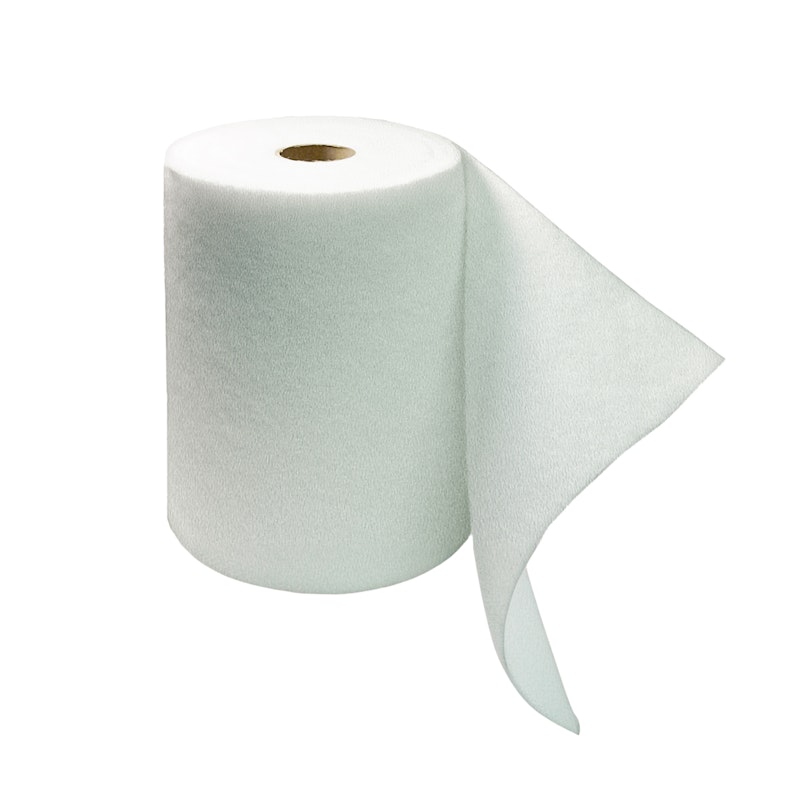
Self-watering capillary mats are a popular sub-irrigation solution for commercial indoor plants. They are easy to use and provide consistent moisture to the growing medium, helping reduce the risk of overwatering and underwatering. Available in 30-foot rolls in 1-inch and 7.5-inch widths, capillary mats can be cut to size for a variety of applications. Their lightweight design also makes them easy to install and ideal for smaller spaces.
Self-watering capillary mat pros:
- Cost-effective
- Simple installation
- Minimal materials required
Self-watering capillary mat cons:
- Must cut to size for each application
- Not suitable for large plants
Self-Watering Capillary Wicks
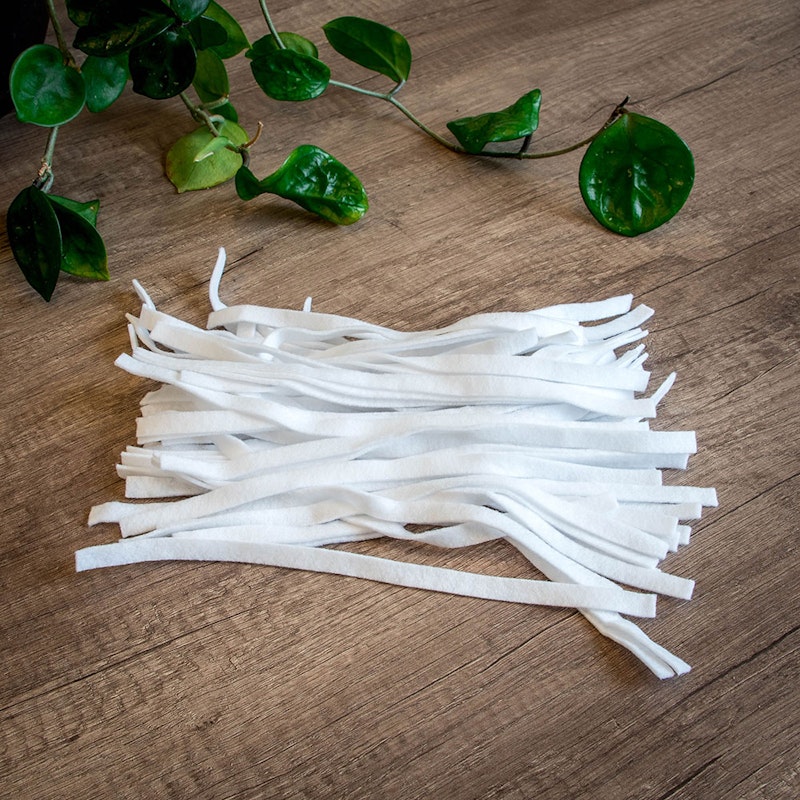
Closely related to capillary mats are self-watering capillary wicks. They offer a simple and effective way to achieve sub-irrigation while reducing watering frequency. Although made from the same wool felt material as capillary mats, they function differently. Rather than sitting beneath the grow pot, capillary wicks are inserted through the grow pot’s drainage holes into the root ball. They are often used as part of a reservoir system, with cross risers elevating the grow pot above the reservoir.
Self-watering capillary wick pros:
- Fits through grow pot drainage holes
- Cost-effective
- Quick installation
- Minimal materials required
Self-watering capillary wicks cons:
- May require cross risers
- More difficult to reuse than capillary mats
Capillary mats and wicks are among the easiest and most cost-effective sub-irrigation methods. While they work well for simple installations, more complex projects may benefit from one of the self-watering systems discussed below.
Mona Plant Sipper Round Insert
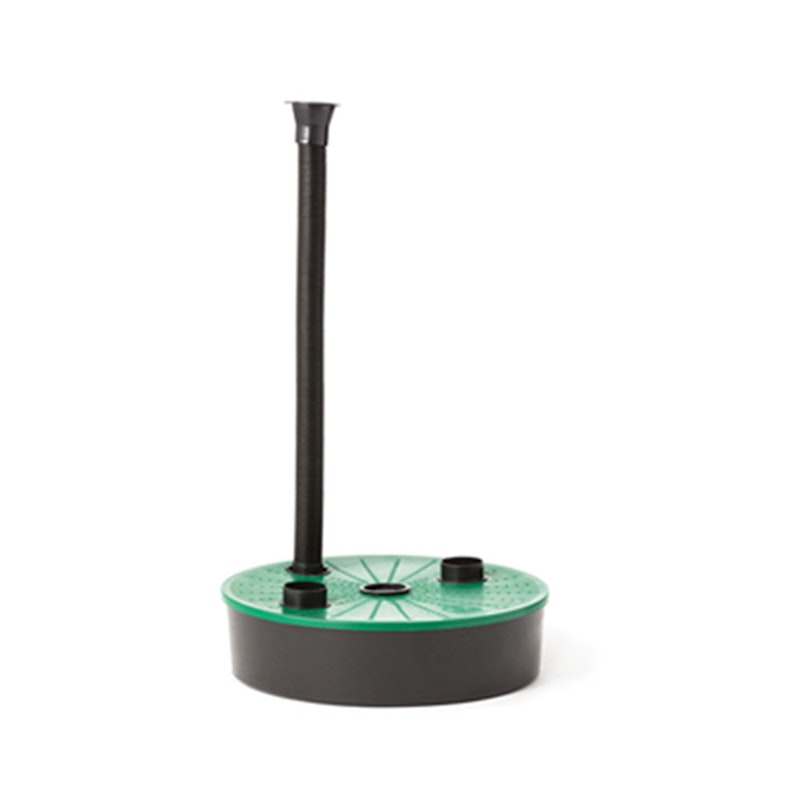
The Mona Plant Sipper provides a reliable sub-irrigation solution for commercial plant installations. Designed to accommodate a variety of pot sizes, the round insert distributes water evenly, reducing the need for frequent watering. It can be used indoors or outdoors and is especially beneficial for outdoor potted plants where other water sources are not readily available.
The Mona Plant Sipper Insert consists of:
- Mona Plant Sipper reservoir
- Capillary leg
- Plant Sipper lid
- Filler pipe with water level indicator
Once assembled, the Mona Plant Sipper functions as a single unit that installs easily into a decorative planter.
Mona Plant Sipper Insert pros:
- Integrated reservoir design
- Water level indicator
- Easy to install as a single unit
Mona Plant Sipper Insert cons:
- Limited to compatible pot sizes
- Higher cost than capillary mats and wicks
- More time-consuming setup than some other sub-irrigation methods
Mona Plant Sipper Linkable Tanks
Mona Plant Sipper Linkable Tanks are designed for in-ground or large built-in planters. The tanks are available in three sizes to accommodate a variety of applications. Made from recycled and recyclable materials, they are 100% water efficient and can reduce watering frequency by up to six weeks. Using capillary action, the system allows plants to draw water naturally through their roots, promoting healthier, fuller growth.
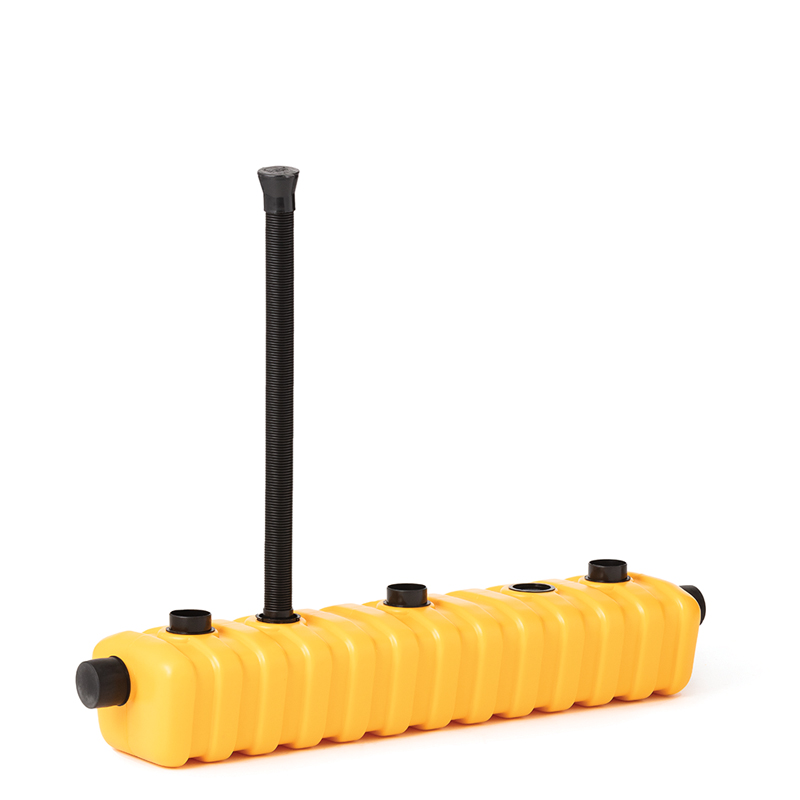
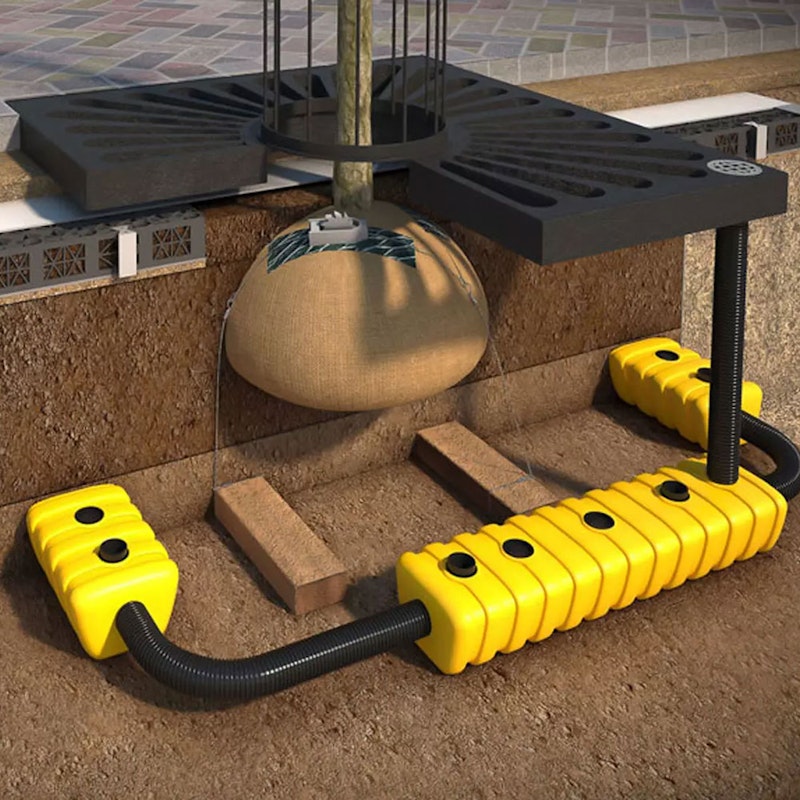
Mona Plant Sipper Linkable Tank pros:
- Linkable for large applications
- Long watering intervals
- Available in three sizes
- Made from recycled and recyclable material
Mona Plant Sipper Linkable Tank cons:
- Only suitable for in-ground or built-in planters
- Higher initial cost than capillary mat or wick systems
- More labor-intensive setup than other sub-irrigation methods
All-In-One Sub-Irrigation and Decorative Planter
Sub-irrigation systems are increasingly sought after for their convenience and plant health benefits, and many manufacturers now integrate these systems directly into decorative planters. Ecopots and Crescent Garden offer self-watering planter options that combine attractive containers with built-in sub-irrigation. These all-in-one solutions simplify installation while helping maintain consistent soil moisture.
These planters incorporate integrated wicking or reservoir systems that store water below the soil surface and deliver it to the roots as needed. By reducing watering frequency, they help maintain healthier plants while decreasing maintenance demands, making them a practical option for commercial interior and exterior plant installations.
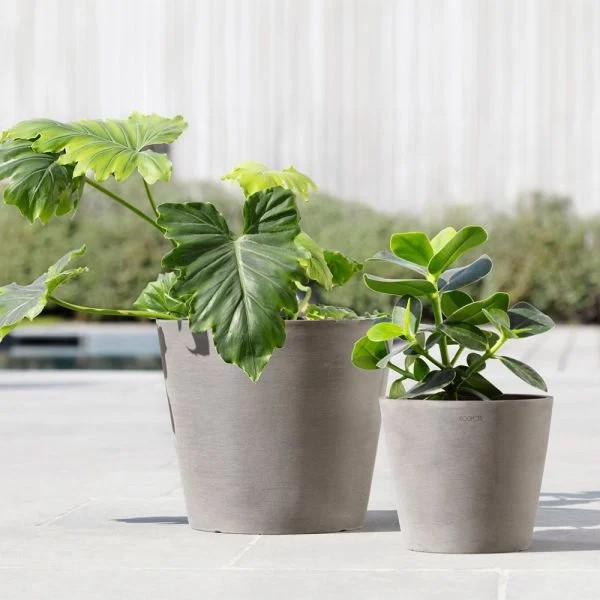
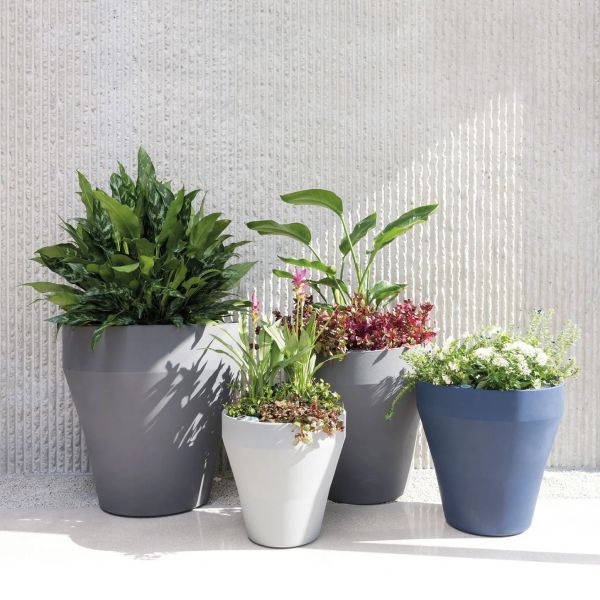
All-in-one self-watering planter pros:
- No separate irrigation system to purchase
- Available in a variety of sizes and styles
All-in-one self-watering planter cons:
- Higher upfront cost than traditional planters or mat and wick systems
- Requires periodic maintenance and cleaning
- Limited customization compared to separate planter and irrigation components
Choosing the Right Sub-Irrigation System
Choosing the right sub-irrigation system depends on your project’s specific requirements. Consider the advantages and limitations of each method, along with the plant variety, planter size, installation type, and maintenance needs. Whether you need a simple capillary mat, a versatile wick system, a planter insert, or an all-in-one self-watering planter, selecting the right solution can reduce maintenance demands, conserve water, and promote healthier plants.
Views: 13,813Share:


Kevin Urquhart has more than 25 years of experience as an interior plantscaper, brand strategist, and entrepreneur. As a plantscaper, his work has appeared or been featured in Architectural Digest, People Magazine, and The Robb Report. After facing the challenge of wasting time and money on ineffective marketing efforts, Kevin was determined to find answers to what makes marketing work. As a result, he discovered a knack and passion for marketing. Most small business owners face the same challenge as Kevin once did. That is until he discovered the power of a clear brand message, and effective, compelling copy to get results like; Rank in the top three spots on Google nationwide, Increase leads by 230%, and going from break-even to a 30% net profit. Today, Kevin finds attracting new clients so much fun that he created the Brand Message Playbook. Using his 25 years of business, sales, and brand success, he creates custom brand messaging that allows plantscapers to stop spinning their wheels and get results they deserve! You can connect with Kevin at Kevincopy.com, LinkedIn, Facebook, Twitter, and Instagram.

You May Also Like


Leave a Reply
You must be logged in to post a comment.

