


5 Expert Atrium Maintenance Tips for Interiorscapers

Views: 10,200Share This:


For an interiorscaper, adding a large indoor atrium to your portfolio can be exciting. Massive trees, water features, and rows of lush foliage make an impressive statement. However, taking on an atrium account can also feel overwhelming, especially for a young interiorscape service that has primarily worked with potted plants. Similar to moving from the minor leagues to the majors, atrium maintenance is a whole different ballgame with its own unique challenges. Below are some helpful tips to simplify your atrium care routine.
Mastering and Optimizing Atrium Irrigation
I found dealing with irrigation to be the most difficult transition to atrium work. Rain Bird, Waterwell, and Hunter are a few drip irrigation systems I’ve worked with over the years. As irrigation technology continues to evolve, newer systems offer smart features and expanded control options.
With irrigation, the priority is learning the control system, regardless of the brand your client uses. Luckily, resources such as YouTube often provide demonstration videos explaining the various features. Once you understand how to operate the irrigation system, you can customize running times and watering schedules to fit your needs.
Monthly or quarterly irrigation inspections are critical when it comes to atrium maintenance. Drip lines crack and connections break. I’ve even discovered broken lines spraying pools of water onto walkways, which is a personal injury lawyer’s dream. Beyond potential liability concerns, irrigation checks help prevent expensive foliage replacement. Damaged lines can create pockets of excess moisture in the soil, leading to dropping leaves and yellowing foliage.
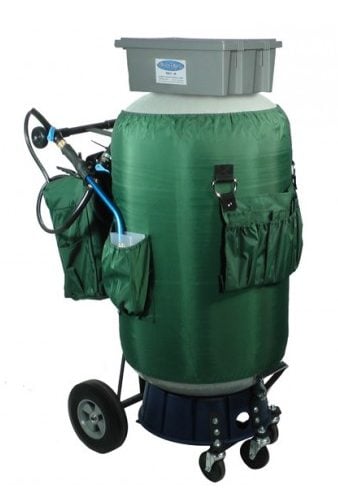
Alternatively, if the atrium you service does not have an irrigation system, it may be time to invest in a watering machine. Utilizing watering machines for medium to large accounts can reduce service time, minimize spills in high-traffic areas, and lower the risk of repetitive stress injuries for your plant technicians.
Inspecting Atrium Plants for Pests and Disease
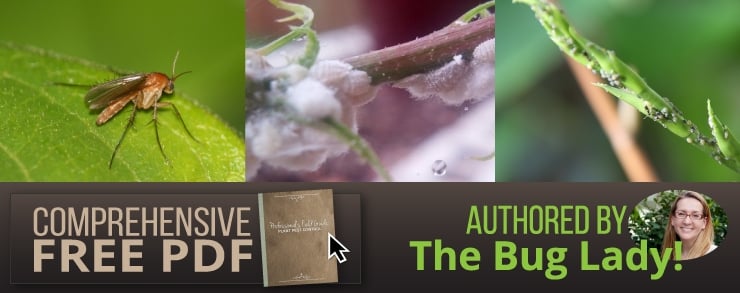
Maintaining the appearance of an atrium requires weekly or bi-weekly pest inspections. Unlike potted plants, which are spaced apart, atrium plants often share the same soil, creating an ideal environment for pests and diseases to thrive. During inspections, look carefully for signs of pests, such as mealybugs beneath leaves and mites on delicate foliage, along with shiny, sticky residue that may indicate scale insects. Pest control procrastination can turn a dream atrium account into a nightmare, but preventive measures can help reduce foliage loss, save gallons of chemicals, and decrease extra labor costs.
Managing Plant Growth in Atriums
During routine maintenance, one of the biggest challenges is keeping plants contained. For instance, pothos can quickly outgrow its planter and trail onto walkways in a short amount of time. I’ve seen many atriums turn into tropical disasters because of improper trimming. I’ve also dealt with dangerous situations, pruning ficus trees over three stories tall with massive branches bending against glass ceiling tiles.
Effective maintenance is critical for a thriving atrium, and technicians who pay attention to detail, have the proper equipment, and commit to consistent upkeep play an important role in long-term success.
Fertilizing Atrium Plants
Due to the high light exposure in atriums, plants may require fertilizer applications every quarter or more frequently. Light promotes rapid growth, but it can also stress foliage when the soil lacks essential nutrients. Pale leaves often indicate low nutrient levels, and dark-leafed plants, such as Rhapis palms, may turn neon or lime green when nutrients are deficient. Applying a general tropical plant fertilizer or a slow-release product such as Osmocote is vital for plant health. If leaf color does not improve within a few months, consider switching to a fertilizer tailored to the needs of each plant variety.
Analyzing Atrium Soil
Performing thorough checks of plant beds can help prevent serious problems down the road. Using a soil probe in multiple areas will help determine moisture levels. A wet area may signal a cracked irrigation line, while a dry spot could indicate a clog. Both oversaturation and dry soil conditions can damage plants quickly.
Testing soil samples to determine pH and nutrient levels is equally important. Test kits typically list optimal pH ranges for various tropical plants and can often be purchased at local garden centers, making chemical adjustments relatively simple.
In one severe case involving extensive areas of dying plants, I sent a soil sample to a professional lab. Their analysis revealed that a salt-based disinfectant spray had destroyed much of the nitrogen in the plant bed soil. Without nitrogen, roots were rapidly declining, and leaves had turned black, almost as though they had been burned. A professional soil analysis helped save the foliage and allowed my client to shift plant replacement costs to the disinfectant company rather than attributing the damage to my horticultural practices.
Taking on Atrium Maintenance With Confidence
Maintaining an atrium can feel like a massive undertaking, especially for interiorscapers taking on larger plant installations for the first time. However, equipping your plant technicians with these atrium maintenance tips can help keep clients’ plants healthy and vibrant for years to come while making large atrium accounts more manageable.
Views: 10,200Share:


Sherry has been part of the interiorscape industry for over fifteen years, starting at an entry level job at North Florida's largest greenhouse and currently owning two horticulture companies. At UMaine, Sherry majored in English where she worked part-time writing scripts for a local college TV studio.

You May Also Like


Leave a Reply
You must be logged in to post a comment.

